Speech recognition is also called automatic speech recognition (ASR) or speech-to-text. It lets people talk with machines. It began in the mid-1900s. AI and deep learning pushed it forward. The tech now aids accessibility, boosts productivity, and improves user experience. This article shows its evolution, workings, uses, and future promise.
Understanding Speech Recognition: Breaking Down the Basics
Speech recognition is a process. It turns spoken words into text or commands. Unlike voice recognition, which tells speakers apart, speech recognition focuses on word meaning.
At its heart, the system works in clear steps:
• The microphone captures sound waves.
• The system extracts features from the raw audio.
• Algorithms with language rules decode the sounds into words.
• The system outputs text or triggers actions.
Each word links closely to its neighbor. This short, direct link makes the meaning clear. The tech mixes ideas from linguistics, acoustics, and computer science. These fields help manage accents, pronunciation, and context.
Historical Milestones in Speech Recognition
Speech recognition began in the 1950s. Early work took shape in labs and universities. At Bell Labs, researchers built "Audrey" to recognize digits from one voice. In 1962, IBM showed the "Shoebox" which knew 16 words.
Important steps include:
• In the late 1960s, Soviet researchers made Dynamic Time Warping (DTW). DTW matched speech segments closely.
• In the 1970s and 80s, Hidden Markov Models (HMMs) came into use. HMMs treated speech as a series of hidden steps.
• Statistical Language Models and N-grams soon joined. They added meaning and syntax into the mix.
• In 1990, Dragon Dictate became the first consumer program. This step marked its everyday use.
In the 2000s and 2010s, machine learning and deep networks sped up growth. These advances helped the tech work for many voices and larger word lists.
How Speech Recognition Works: Key Algorithms and Techniques
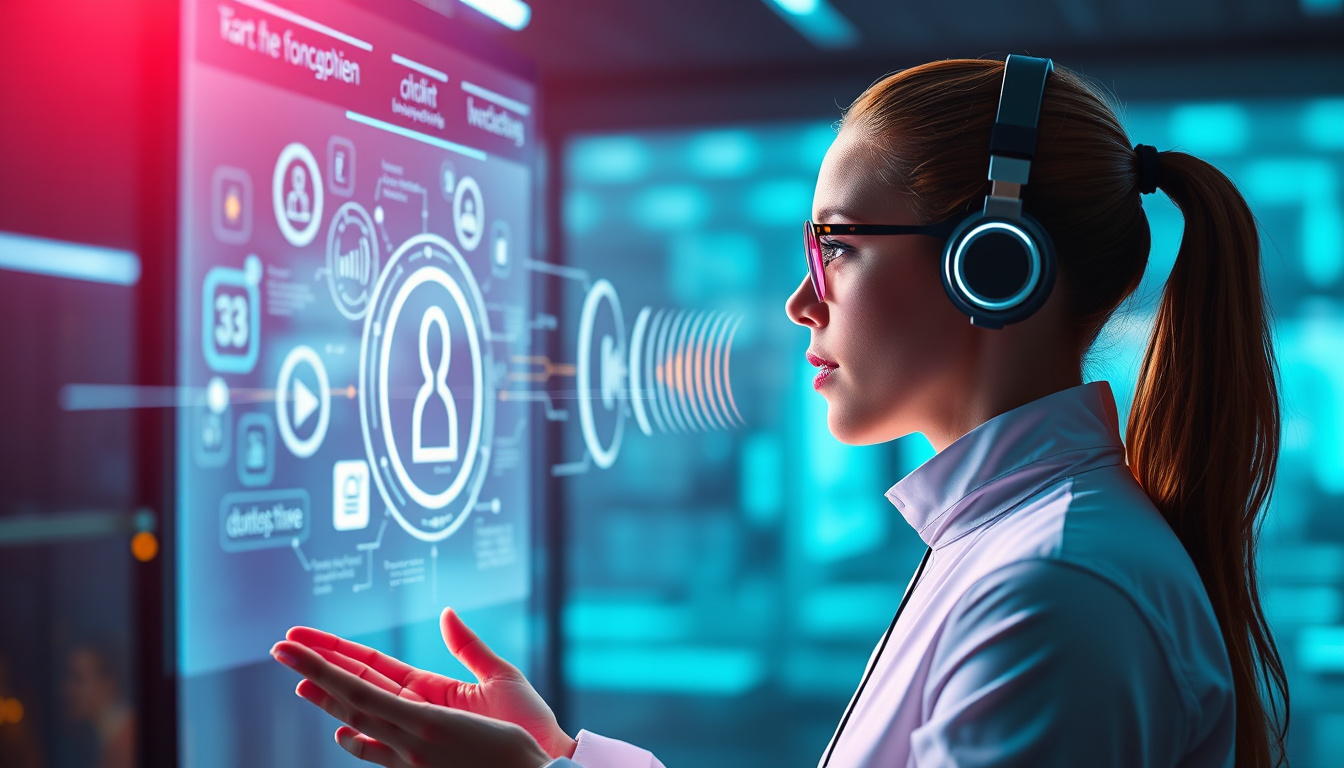
Modern systems use several clear steps:
• Hidden Markov Models (HMMs) view speech as linked sounds. They see each sound as a step that depends on the last.
• Deep neural networks (DNNs) work with many layers. RNNs and transformer models learn patterns from large data sets. They join words with context in short links.
• Natural Language Processing (NLP) checks grammar and syntax. It makes sure the words connect well.
• Language models predict which words come next. Acoustic models match sounds. Tweaking both makes the system work well in different settings.
Applications Transforming Communication and Technology
Speech recognition now lives in many devices. Its clear word links change our routines and specialized work.
Consumer and Productivity Tools
• Virtual assistants like Siri, Alexa, and Google Assistant use clear voice commands.
• Dictation software turns speech into text for work or study.
• Voice commands help control smart homes, mobile devices, and cars.
Healthcare
• Medical staff use transcription tools to ease document work.
• Speech therapy apps let patients hear feedback and improve how they speak.
Accessibility and Inclusion
• Voice interfaces help people with disabilities talk and connect.
• Live captioning and translation add access in schools and media.
Industrial and Military Uses
• Air traffic control and aircraft systems rely on clear voice links for safe operations.
• Voice biometrics check identities and keep places secure.
Challenges and Performance Considerations
Speech recognition still meets hard tasks:
• Accuracy can drop with noise, strong accents, or unclear speech.
• Models must work well for many different voices.
• Fast, real-time speech needs strong hardware and lean models.
• Keeping voice data safe stops fraud and protects privacy.
Researchers try to reach human-like accuracy. New systems now get error rates below 5% on many tasks.
The Future of Speech Recognition: Smarter Voice Interactions Ahead
The future brings smarter voice tools:
• New assistants will understand context and intent better.
• Multilingual tools will mix languages and help in code-switching.
• Personal models will learn a person’s way of speaking.
• Edge computing will process speech offline for better privacy.
• Combining voice with video and gestures will create richer exchanges.
Voice remains a natural link between people and machines. Its short, clear word links help shape a simpler digital world. With steady research and fresh ideas, natural voice exchanges are now within reach.
Speech recognition shows how a clear, connected voice can reshape our world. New advances build on short links between words, unlocking better interaction with technology. This way, voice continues to give us new paths to connect, work, and live.
Try this workflow today, Writer Link AI and Write Easy provide smart outputs with a natural voice. Get started with a free plan at