Today, machines learn from images. They see objects and act on what they see. In our digital age, image recognition is key to new technology. This AI skill lets computers spot people, items, and scenes close by. It helps with everyday tasks like finding photos and using new tools like augmented reality. It also drives change in health care and self-driving cars. This article shows simple rules that connect words in image recognition, its tech base, and how it works in real life.
What Is Image Recognition?
Image recognition means a computer system looks at a picture and picks out details. It finds parts like objects or scenes. In computer vision, a part of AI, the system turns pixels into clear clues. Old methods used experts to choose parts like edges, shapes, and colors. Now, machine learning and deep learning let the computer do the work. This change helps the system find more details with less help from people.
How Image Recognition Works: From Traditional Machine Learning to Deep Learning
Traditional Machine Learning Techniques
Old image systems took help from humans. They prepped images to work better for the machine:
-
Preprocessing steps changed images so pixels fit a scale between 0 and 1. Images got resized and sometimes turned to gray. Noise was cut out by using methods like Gaussian filters.
-
Feature extraction let engineers mark key parts. They picked edges, textures, and colors. They turned these marks into numbers for models like decision trees, support vector machines, or random forests.
-
Data annotation meant that well-known images got labeled, such as "cat" or "dog." Labeled data helped the model learn.
This way had limits. It needed experts and did not work well for all image types.
Deep Learning and Convolutional Neural Networks (CNNs)
Deep learning now leads image recognition. It learns on its own from raw pixels:
-
The neural network, called a convolutional neural network (CNN), finds small patterns fast. It links close words for each idea.
-
Hierarchical feature learning builds from simple parts like edges to larger ideas like faces. Layers sit one close to each other.
-
Pooling layers shrink data but keep key points. This drop in size helps the model work fast even if shapes move slightly.
-
Fully connected and output layers then join the clues. They refine the ideas and decide what is in the image.
-
The training process compares what the model sees with labels. It then adjusts quickly to cut errors.
Deep learning needs strong processors and clear data. Yet, it works much better on hard tasks than old methods.
Applications of Image Recognition Technology
Image recognition works in many fields and day-to-day life:
-
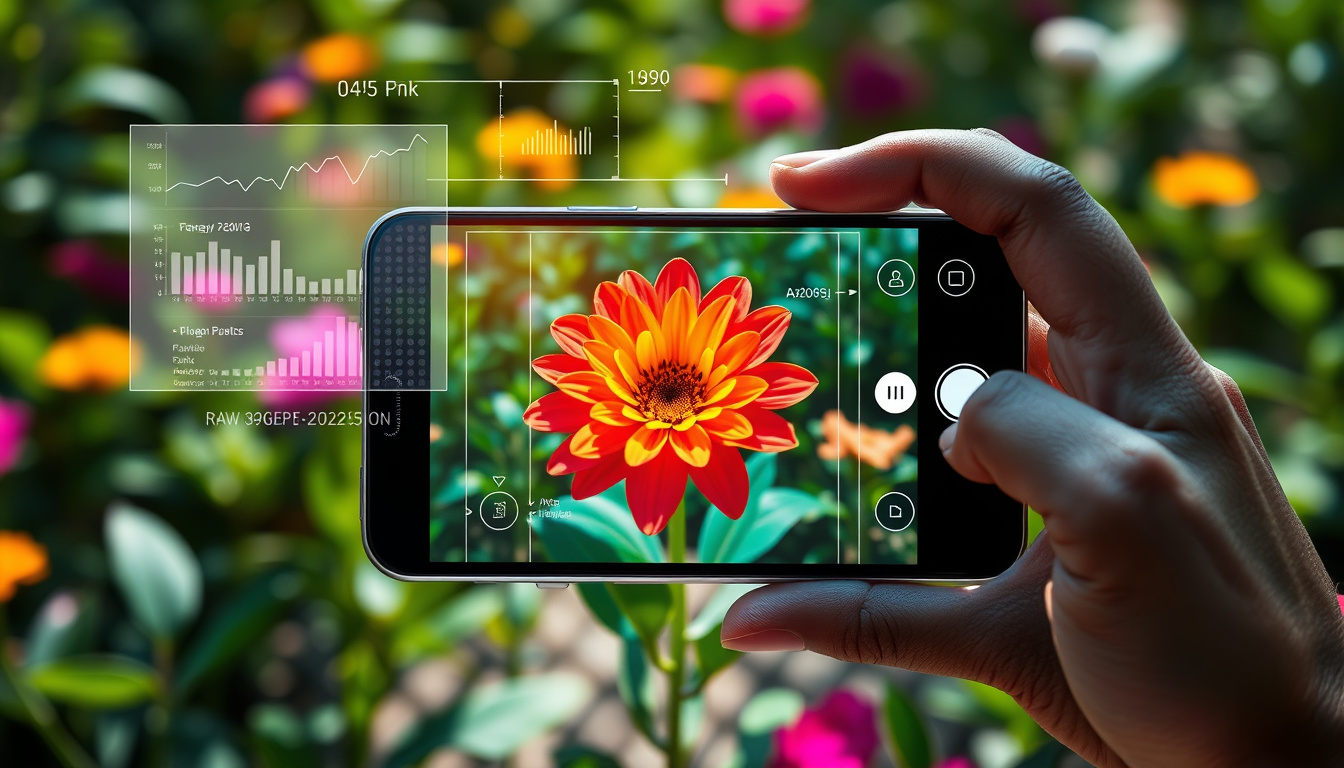
Consumer tools like Google Lens let users point a phone. The tool spots objects, plants, animals, furniture, and text. This helps shopping, learning, and maps.
-
In healthcare, machines spot issues in scans like tumors or fractures. Doctors then plan care.
-
Autonomous vehicles see road signs, people, and other cars. This helps keep travel safe.
-
In factories, image systems check products for faults. They ensure all items meet quality tests.
-
Security uses face recognition to find people in crowds. It also helps keep secure places safe.
-
Content management uses reverse image search tools like TinEye. These tools trace image sources or misuse. They work best when the computer has JavaScript on.
Future Trends and Challenges
New image recognition brings fresh ideas and tests:
-
Multimodal AI joins images with text and sound. It builds a richer view of context.
-
Privacy and ethics must balance power and rights. This is key when using many images of people.
-
Efficiency improvements aim for models that need less data and power. This will let them run on phones and small devices.
-
Interpretability means we want to know how a machine decides. Clear ideas build trust and help fix issues.
Conclusion
Image recognition is a strong technology. It helps machines see and understand the world. It does this by turning pixels into clear clues with machine and deep learning. This power grows industries and our daily lives. As new work goes on and power grows, image recognition will open more paths for smart ideas.
Whether a phone snaps a flower in your garden or a scan finds a health issue, image recognition makes visual data strong. It cuts the gap between raw pixels and clear actions, and it changes how we see and act in our world.
Try this workflow today, Writer Link AI and Write Easy provide smart outputs with a natural voice. Get started with a free plan at