Robotics brings computer science, engineering, and technology together. It shapes industries and our daily lives. The field changes how we work, lifts our efficiency, and sparks fresh ideas. This article shows robotics’ roots, its use in many sectors, its gains and limits, and its clear future.
Understanding Robotics: The Foundation
At its core, robotics makes robots that help or replace people. A robot has three key parts:
- Mechanical Construction: The robot’s body holds parts that move it. These parts work like muscles with electric motors, hydraulic systems, or newer materials such as shape memory alloys.
- Electrical Power and Control: The circuits and energy sources, like batteries or solar power, drive the robot. Electric power lets its parts move and work well.
- Software or Programming: Commands drive the robot’s actions. Simple control or smart AI makes robots move, choose paths, and interact with people.
Robotics links these parts to work in many areas—from factories and farms to hospitals and homes.
How Robotics is Transforming Industries
Robotics started in industry and now helps many fields:
Manufacturing
Robots in factories now handle boring or dangerous jobs. They build cars, sort parts, and run machines. These robots work fast and with clear accuracy. This lift in speed and care has boosted output and quality.
Healthcare
Medical robots help doctors. They assist in surgeries, run tests, and move supplies in hospitals. Tiny robotic tools push doctors to check and treat illness at a small scale.
Agriculture
Farming robots work on tough tasks by planting, fighting pests, and picking crops. They cut costs and fill gaps when there are too few workers.
Construction
Robots on building sites drive heavy tools and do tasks such as welding or brick-laying. They keep workers safe and work with clear exactness.
Shipping and Logistics
Self-guided robots move goods in warehouses. They sort items and ready packages. Small delivery robots now speed up the final steps of shipping.
Additional Fields
Robots work in mining, space, clean energy, emergency help, and even at home for chores like cleaning or mowing the lawn.
Types of Robots in Use Today
Robots now look and act in many ways:
- Humanoid Robots: These machines copy human looks and actions and work in research and service.
- Industrial Robots: These tough machines work in factories.
- Mobile Robots: They move around on their own in many spaces.
- Collaborative Robots (Cobots): They work side by side with people to boost tasks.
- Social Robots: Smart robots help in schools, serve as friends, or assist those in need.
- Microrobots and Nanorobots: Small robots work in medicine to check cells and treat illness.
Advantages of Robotics
Using robots brings many wins:
- Increased Accuracy: Robots do rounds of work with a clear, steady hand.
- Enhanced Productivity: They work all day at high speeds, raising output.
- Improved Safety: Robots take on risky jobs, keeping people safe.
- Rapid Innovation: By using sensors, robots quickly gather facts that speed up new ideas.
- Cost Efficiency: Though the start may cost more, robots cut labor costs over time.
Challenges and Considerations
Robotics also brings challenges:
- Workforce Displacement: Robots can cut jobs in some areas. This shift calls for new skills and support.
- Limited Creativity and Adaptability: In a new situation, a robot may not work as well as a human.
- Security Risks: As connected gadgets, robots can be attacked by hackers.
- Maintenance Costs: Complex robots may need expensive fixes and care.
The Future of Robotics
Researchers work to make robots more free and better at teamwork with people. They use smart AI, new sensors, and fresh designs such as carbon nanotube muscles.
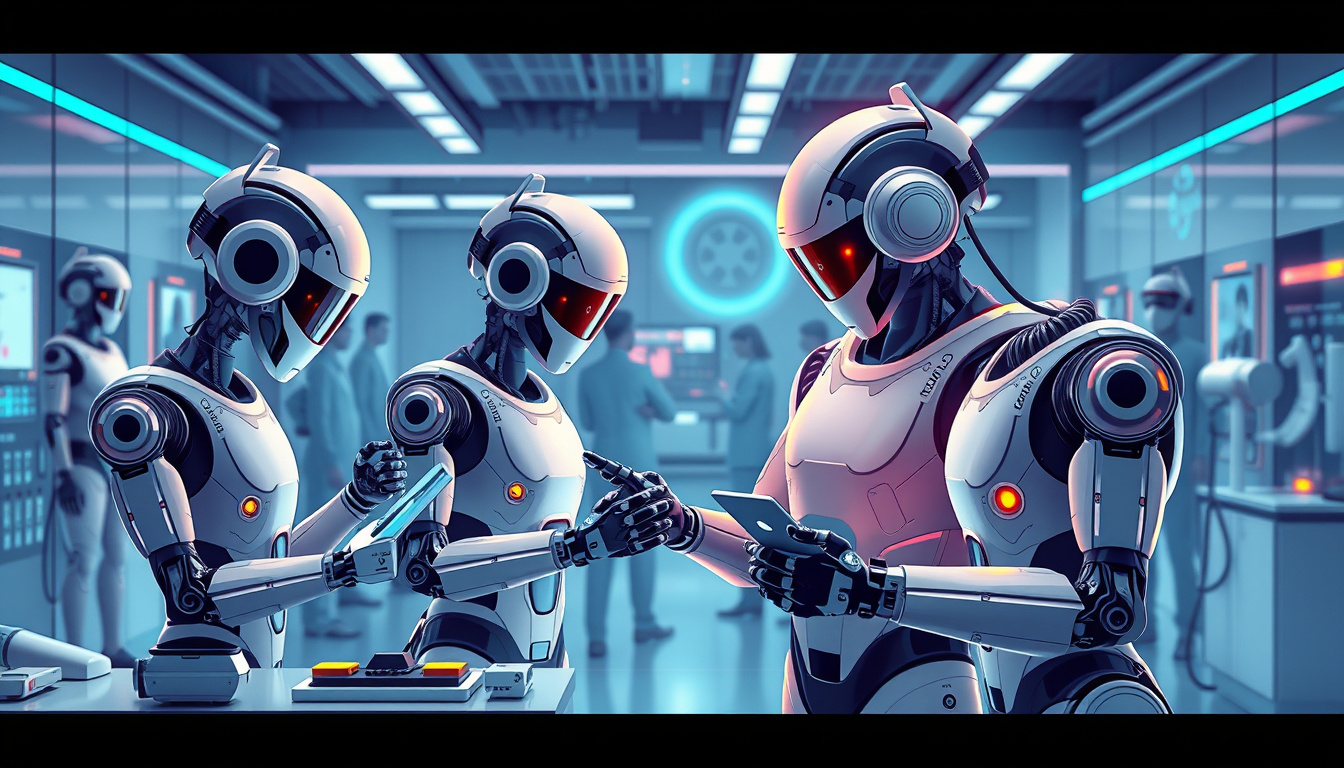
Youth contests and STEM programs, like those from VEX Robotics, help train the next generation.
Robots are more and more part of our lives. They work with us, boost our tasks, and help solve problems. Together, humans and robots make life better and change work and play in many ways.
In conclusion, robotics is a key part of today’s tech leap. It shapes industries and our everyday lives with clear gains, steady precision, and a push for new cures and care. Learning about its tools and roles helps us build a future with both human and robot hands working as one.
Try this workflow today, Writer Link AI and Write Easy provide smart outputs with a natural voice. Get started with a free plan at