Computer vision is a lively part of artificial intelligence. It gives machines the power to see. Machines learn to pick parts of an image, check details, and understand what they see. They can spot people and objects, and even build 3D views. This power touches many parts of our lives. It helps shape the work we do and the ways we live. In this article, we explain computer vision. We show its base in machine learning and its use in many fields. We also discuss how it makes our future smarter.
What is Computer Vision?
Computer vision helps computers see like people. It lets them get images and videos. Then, they work on these pictures to make sense of them. This work draws on engineering, physics, math, and AI. Here, each word connects closely to the next. The goal is to keep ideas tight and clear.
Traditional image work only cuts or smooths pictures. Computer vision goes further by understanding a scene. It spots objects, checks events, builds 3D forms, and watches space between things. It teaches machines to see and to know.
Foundations and Technologies Behind Computer Vision
Image Processing and Feature Extraction
At computer vision’s heart are image steps that act close together. Edge detection, noise cut, image reshape, and segmentation work side by side. These steps mark details like edges, textures, and contrast points.
Feature extraction pulls out special markers. It might pick a corner or a ridge. Methods like SIFT, SURF, and HOG work with one idea at a time. They help the machine see objects and track them.
Machine Learning and Deep Learning
Machine learning boosts computer vision a lot. Deep learning models, like Convolutional Neural Networks (CNNs), work by learning small to big patterns. Early parts see simple edges. Later parts recognize full objects and scenes. This method helps with image labels, object find, and scene break-up.
New models like Vision Transformers (ViT) shift a language model to images. They split pictures into patches. They use self-attention to check space. This makes the links between bits very close and sharp.
Model Training and Data Preparation
Building good models takes many pictures and videos. Data comes with labels from many fields. Cleaning, resizing, and changing images help the model learn well. Flips, rotations, and color shifts mix up the data so the model stays strong.
Models run trials and check words to labels. They tune links to cut errors. Synthetic data fills gaps when real data is scarce.
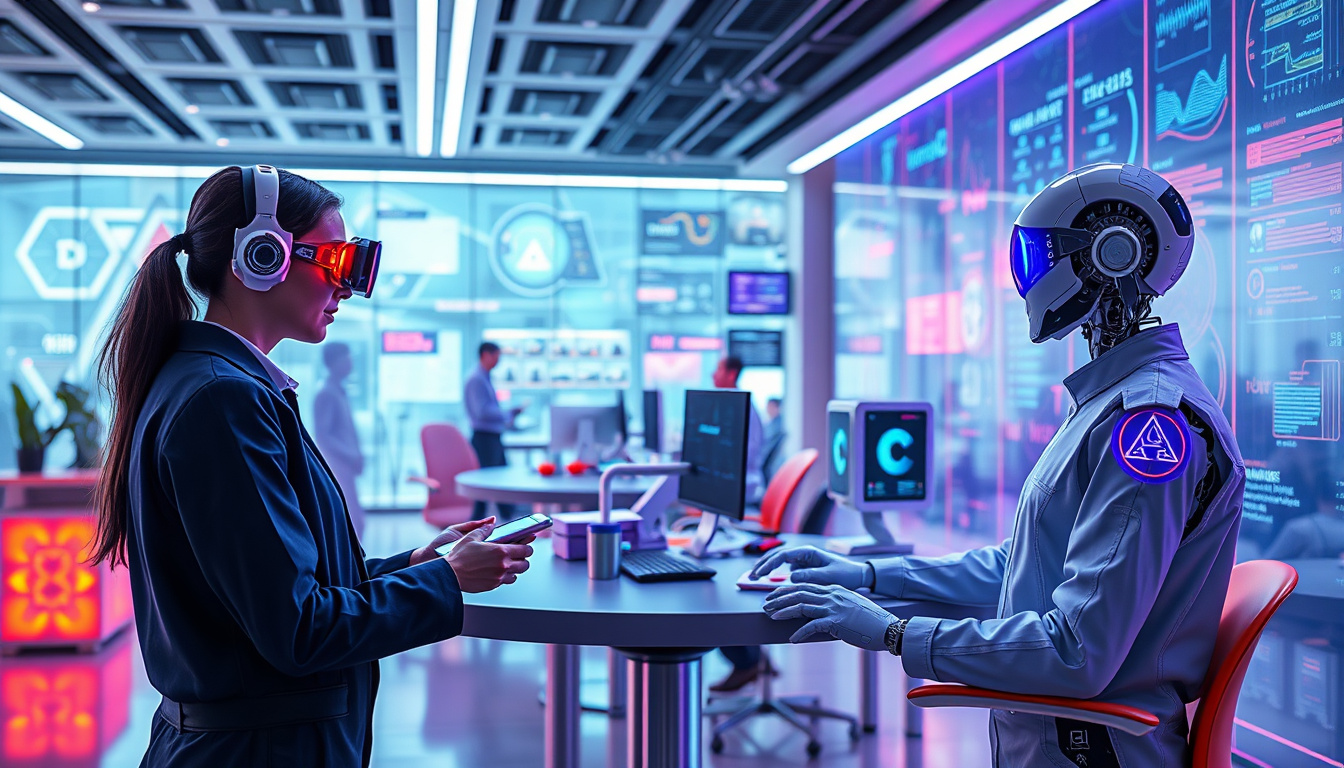
Transformational Applications Across Industries
Computer vision gives us smart uses. Its clear links boost safety, speed, and fun in many fields.
Healthcare
- Medical Imaging Diagnostics: In hospitals, computer vision looks at X-rays, MRIs, and CT scans. It helps find pneumonia, tumors, or breaks. This aid speeds the work of radiologists.
- Surgical Assistance: Vision systems guide surgery tools. They boost care and cut danger.
Autonomous Vehicles
- Navigation and Safety: Self-driving cars use computer vision to see road signs, lanes, people, and obstacles. This sight makes the ride safe and smart.
Manufacturing and Industry
- Quality Control: Machines scan products on assembly lines. They check each piece and flag faults with quick, constant care.
- Robotic Automation: Robots use vision to sort, pack, and put together items. Each link in their task is strong.
Retail and Security
- Facial Recognition: Stores use computer vision for safe ID checks. It also helps study customer steps.
- Inventory Management: Cameras scan items on shelves and in storage. This makes stock lists correct.
Agriculture
- Crop Monitoring: Drones and cameras watch crops. They check plant health, pests, or disease. This view helps guide smart farming.
Everyday Life
- Smartphone Cameras: Phone cameras use computer vision for quick focus and scene checks. They even add fun effects with augmented reality.
- Assistive Technologies: Systems help those with weak sight. They spot objects and speak their names, making life clearer.
The Future Outlook
Computer vision grows fast. This growth comes from better links between words and clearer data. Bigger image banks and stronger machines help, too. The work now joins other fields like language work and skill learning. These mix to handle both pictures and text at once.
At the same time, ethics stay key. We must watch data privacy, bias, and openness in AI links. As computer vision spreads, it will add deep value. It changes work, raises safety, and makes life rich with smart links.
In conclusion, computer vision stands as a change that joins AI and real seeing. It gives machines the skill to look and decide. This gift fires new ideas that ease life, boost work, and lead us to smart spaces. With more work, computer vision will keep uniting close words and clear thoughts to unlock our future.
Try this workflow today, Writer Link AI and Write Easy provide smart outputs with a natural voice. Get started with a free plan at