Today, chatbots serve as tools that connect businesses with customers. They work quickly and improve how companies handle tasks. Chatbots started as simple programs that matched keywords. Now, they use smart AI to answer questions in real time. This article tracks how chatbots grew, what they do, and how they change customer care and work flow.
The Evolution of Chatbots: From ELIZA to Generative AI
Chatbots still work by linking words and ideas. In the 1960s, a program called ELIZA showed that computers can hold a basic talk. ELIZA matched words in a sentence to stored replies. Over time, improvements in language rules and learning let chatbots do more. Now, large language models use deep learning to join words closely. OpenAI’s ChatGPT works like this. Modern chatbots do more than repeat answers; they build answers while keeping context. They move from simple replies to true conversation.
How Modern Chatbots Work
Today’s chatbots link ideas with clear, short steps. They use several smart tools:
- Natural Language Understanding (NLU) finds the key idea in what users say.
- Generative AI Models join words to create new, clear replies.
- Machine Learning lets them learn from each chat and get better over time.
- Robotic Process Automation (RPA) helps them act, such as booking an appointment or completing a task.
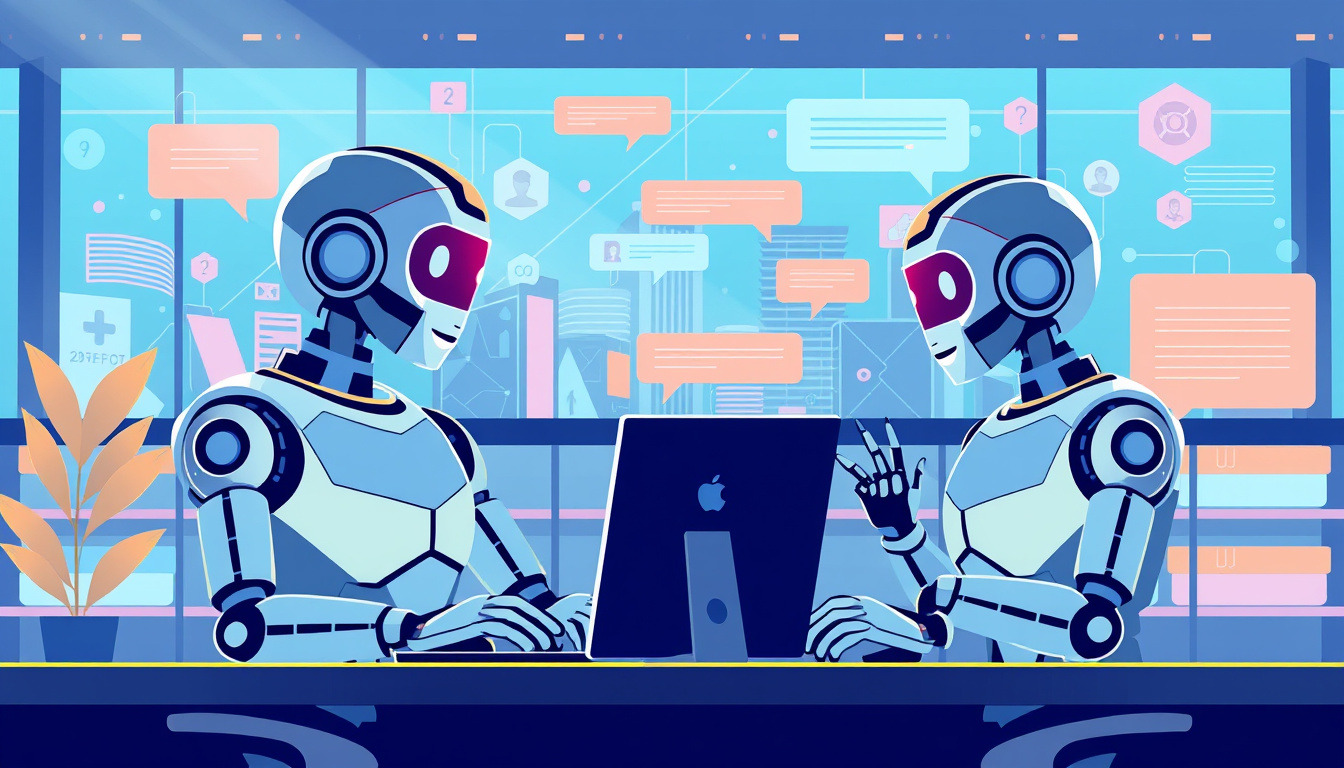
Each step builds on the last, so chatbots feel more human and help users fast.
Transforming Customer Interactions and Business Efficiency
24/7 Customer Support and Self-Service
Chatbots reply any time, day or night. They answer fast and cut wait times. They learn several ways users ask for help. This ease of mind and speed reduces stress on human teams.
Personalization and Conversational Marketing
Chatbots watch how users behave. They join words to offer personalized advice. For instance, an online store chatbot may sense hesitation. It then suggests discounts and helps compare products. This close linking of ideas boosts sales.
Multichannel Engagement
Chatbots work well on many apps and sites. They chat on websites, social apps like WhatsApp or Facebook Messenger, and even on smart speakers. They then link words quickly over each channel. This constant style makes sure customers get the same help anywhere.
Workflow Automation and Integration
Inside a business, chatbots link with other tools like CRM or IT support. They join each step in a workflow, such as resetting a password. This smooth connection cuts back delays and speeds up work.
Data Insights and Continuous Improvement
Chatbots record every chat. They join words closely to spot trends and moods in these talks. This clear data helps refine answers and guide future changes.
Challenges and Considerations
Even with many links, chatbots have gaps:
- Some chatbots join words slowly with very complex questions.
- Privacy needs strong links to keep user data safe.
- Some talks need a human touch. In these cases, a real agent must join with the conversation.
Good design and proper training keep chatbots useful and safe.
The Road Ahead: Chatbots as Strategic Growth Engines
Many leaders see AI chatbots join directly with users soon. They will become key parts of business plans. Routine chats get automated while smart responses join close to user needs. This method improves sales and day-to-day work.
Organizations that add smart chatbots join smart ideas with strong action. They create faster help and smarter service. As chatbots improve with deeper AI, their role grows in digital business.
Conclusion
Chatbots changed from basic question-answer tools to smart agents that join ideas in real time. They help by providing 24/7 support, personal touches, and fast workflow links. Businesses using chatbots join new ways to grow fast and work smart. As they progress, chatbots remain key to digital change. They join together technology and human care to transform customer talks.
By linking ideas and words closely, businesses join the future of smooth talks and efficient work — a future where each connection counts and conversation becomes clear, smart, and meaningful.
Try this workflow today, Writer Link AI and Write Easy provide smart outputs with a natural voice. Get started with a free plan at